
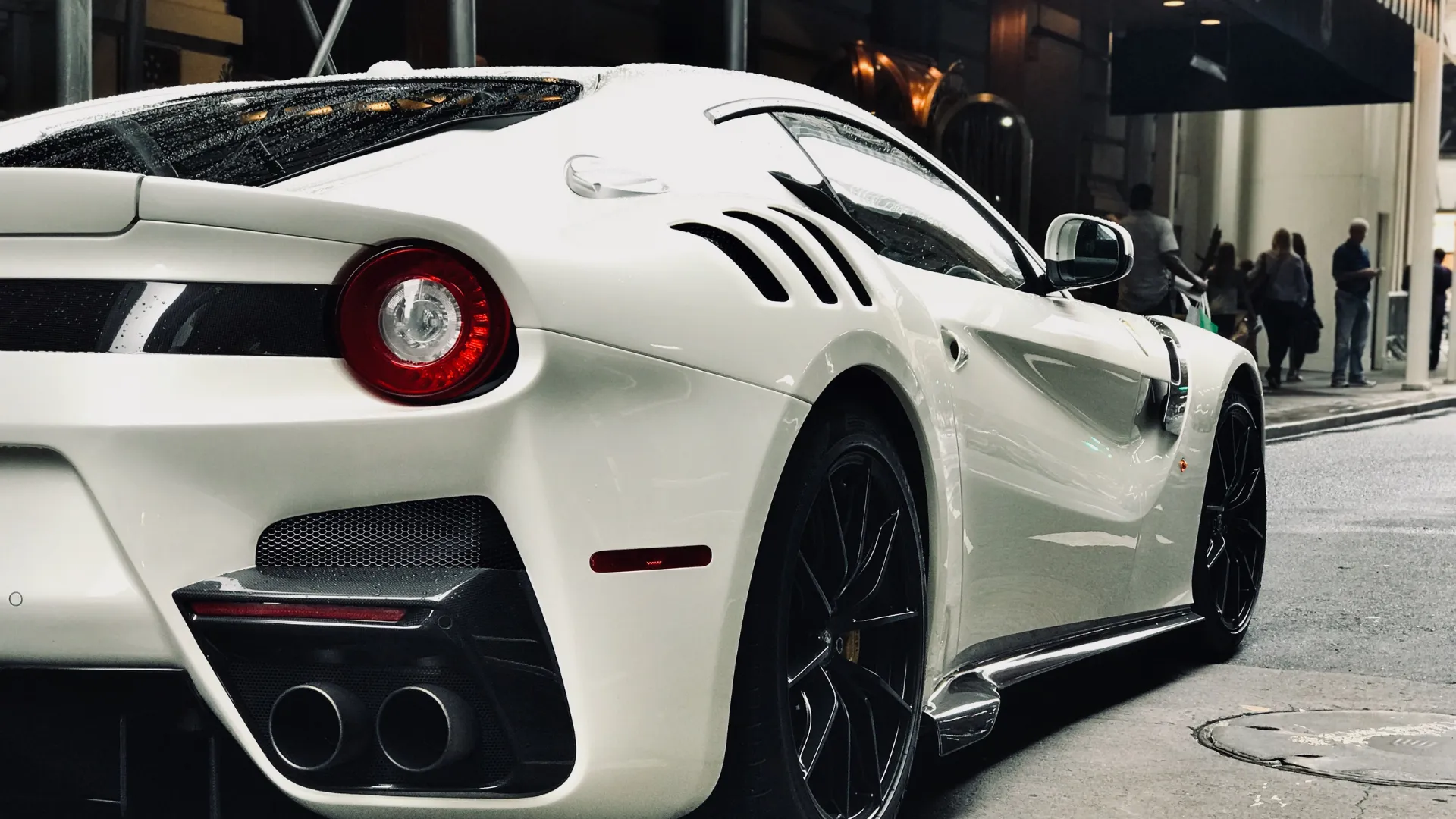
Purchasing a Ferrari from a private seller can be one of the most rewarding ways to acquire a Prancing Horse. It often provides a more personal connection to the car’s history and, in many cases, a more competitive price than a traditional showroom. However, without the safety net of a dealership’s certified pre-owned program, the burden of due diligence falls entirely on the buyer.
To ensure your dream purchase doesn’t turn into a mechanical or financial headache, follow this ultimate checklist for navigating a private party Ferrari transaction.
1. Verify the “Paper Trail” (Service History)
In the Ferrari world, documentation is arguably as valuable as the car itself. A Ferrari without a comprehensive service history is a major red flag that can decrease the vehicle’s value by 10% to 20%.
-
The Binder: Look for a chronological “life story” of the car. This should include itemized receipts for oil changes, brake flushes, and major services (like timing belt replacements on older models).
-
Matching Numbers: Ensure the VIN, engine number, and gearbox number match the factory records.
-
Ferrari Classiche: For cars older than 20 years, check if it has the “Red Book” (Certificate of Authenticity). This is the gold standard of verification from Maranello.
2. Conduct a Professional Pre-Purchase Inspection (PPI)
Never take a private seller’s word for the car’s condition. Arrange for a PPI at a Ferrari dealership or a reputable independent specialist who knows the specific model.
-
Diagnostics: Have the technician pull an ECU report to check for over-rev events and actual mileage (to ensure the odometer hasn’t been tampered with).
-
Wear Items: Specifically ask for a report on clutch wear (for F1 or dual-clutch transmissions) and carbon-ceramic brake life, as these are five-figure replacements.
-
Paint Meter Test: Use a paint depth gauge to check for inconsistencies that might indicate undisclosed accident repairs or resprays.
3. Confirm Title and Ownership Status
Private sales involve legal hurdles that dealerships usually handle for you.
-
Lien Check: Verify that the seller has a “clear” title in their name. If there is an existing lien on the car, you will need to coordinate with the seller’s bank to ensure the debt is satisfied and the title is released to you.
-
VIN Verification: Cross-reference the VIN on the title with the physical plates on the chassis and the door jamb to ensure they match perfectly.
4. Evaluate the Seller
In a private transaction, you are “buying the seller” as much as you are buying the car.
-
Enthusiast vs. Flipper: Is the seller a long-term member of the Ferrari Owners Club, or are they a “flipper” looking for a quick profit? Long-term owners are typically more invested in the car’s maintenance and are more transparent about its quirks.
-
Storage Conditions: Ask where the car was kept. A Ferrari that has lived on a battery tender in a climate-controlled garage is vastly different from one that sat in a damp barn or outside under a cover.
5. Secure Specialized Financial Support
Buying a high-value asset from an individual requires a different financial strategy than a dealer purchase. Traditional banks are often uncomfortable with the valuations of older or rare Ferraris and may struggle with the complexities of a private party title transfer.
Savvy collectors often choose to finance for a Ferrari through specialty lenders who understand the collector market. These lenders can provide a “private party” loan structure that protects both the buyer and the seller, often facilitating the secure transfer of funds and title directly. This approach allows you to maintain your liquidity and move quickly—essential in a market where the best Ferraris often sell within days of being listed.
6. The Final Walkthrough and Test Drive
If the PPI is clear and the paperwork is in order, perform one final personal inspection.
-
Cold Start: Always insist on seeing the car start from a “cold” state. This is when engine smoke or unusual noises are most likely to appear.
-
Electronics: Test every button. From the “Manettino” dial to the windows and the infotainment system, Ferrari electronics can be finicky and expensive to troubleshoot.
-
The “Sticky Button” Check: Check the interior plastics. Many 1990s and 2000s Ferraris suffer from “sticky buttons” where the coating degrades. While fixable, it’s a great negotiating point.
A private party Ferrari purchase is a high-stakes endeavor, but with the right checklist, it can be the smartest way to enter the brand. By prioritizing a rigorous PPI, verifying every line of the service history, and utilizing a lender that specializes in the exotic market, you can drive away with confidence, knowing your investment is as sound as the V12 behind your head.