
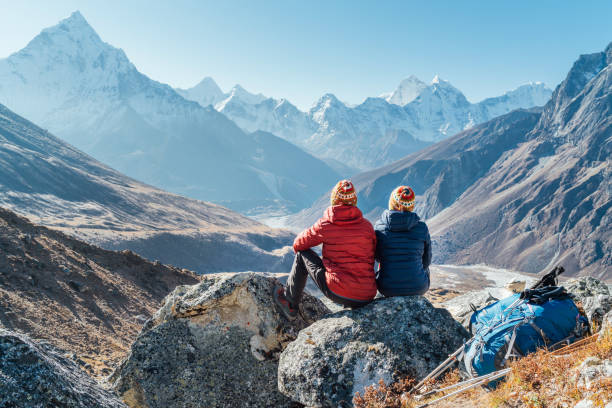
A bucket list item for any culturally adventurous hiker on the planet is Everest Base Camp. This classic trek also introduces you to magnificent mountain views, a friendly and socially quiet culture and tradition of the Sherpa people, and a sense of achievement. But with the Everest base camp trek route becoming more and more popular, it has never been more important to push sustainable trekking. And for those purposes and out of respect for the delicate Himalayan environment and its people, many of us for generations yet will be drawn to explore in the shadow of the Everest Base Camps.
Whether you are going on a package trek to Everest or organising your self-guided trek to Everest Base Camp, responsible trekking is not only a responsibility, it is an opportunity for you to make a positive impact. Here are some simple ways you can be a front-liner on sustainability on your EBC adventure.
The Significance of Eco-Treks for Everest Base Camp
The Everest region is a place of environmental and cultural majesty, but also a delicate high-altitude wilderness. In the absence of responsible trekking, treks can give rise to waste, pollution of water sources, and imposition upon the local culture. An increase in tourists has also meant more garbage, more deforestation for firewood, and more pollution for the Khumbu Valley.
I spend time, effort on spreading the word on trekking responsibly. The Everest region is a place of environmental and cultural majesty, but also a delicate high-altitude wilderness. It introduces you to magnificent mountains via EWS, a friendly and socially quiet culture and tradition of the Sherpa people, and a sense of achievement. But with the Everest base camp trek route becoming more and more popular, it has never been more important to push sustainable trekking. And for those purposes and out of respect for the delicate Himalayan environment and its people, many of us for generations yet will be drawn to explore in the shadow of the Everest Base Camps.
Whether you are going on a package trek to Everest or organising your self-guided trek to Everest Base Camp, responsible trekking is not only a responsibility, it is an opportunity for you to make a positive impact. Here are some simple ways you can be a front-liner on sustainability on your EBC adventure.
The Significance of Eco-Treks for Everest Base Camp
The Everest region is a place of environmental and cultural majesty, but also a delicate high-altitude wilderness. In the absence of responsible trekking, treks can give rise to waste, pollution of water sources, and imposition upon the local culture. An increase in tourists has also meant more garbage, more deforestation for firewood, and more pollution for the Khumbu Valley.
I put in time and work to share the idea of trekking right. It saves fragile places, helps local folks, and makes sure the great Sherpa ways that make hiking to EBC so good last for more kids to see.
Pack Light and Pack Right
Start your sustainability journey one bag at a time. Extra gear is weight, and weight means it’s going to require more work to carry and be tougher on porters and pack animals. Opt for multi-use clothing and biodegradable toiletries, durable gear that will not contribute to waste.
Steer clear of single-use plastics, or bring a reusable water bottle with a filter so that you don’t have to buy plastic bottled water. Less throw-away stuff equals less litter on the trail.
REDUCE, REUSE, RECYCLE (On the Trail)
The mountains’ interior is hard to manage waste. It’s a good idea to have a small trash bag near you to collect non-biodegradables: wrappers, used batteries, broken stuff. Waste management is included to varying extents in the protocol of most of the tea houses and lodges, and taking out what you bring in is a good principle of thumb to follow to minimize the amount of litter along the trails and in the villages.
Reuse what can be reused: top off water bottles, stitch garb, proportion goods amongst yourselves. “While shopping for souvenirs, guide the nearby financial system by using purchasing hand-crafted merchandise.
Respect Local Wildlife and Vegetation
The plant life and fauna in the Himalayan region are completely one of a kind and adapted to the high-altitude region. Save you trampling the delicate vegetation and eroding the earth: stick to existing trails. Do not feed or harass any kind of wildlife, as it changes their behavior from their natural state and can be harmful.
If you find prayer flags, mani stone, or chortens, pay respect to these cultural and spiritual symbols. Nature and culture conservation things like these do work together.
Support Eco-Friendly Accommodation and Guides
Around Everest Base Camp, lodges and tea houses have implemented some environmentally sustainable practices — solar power, waste recycling, and water conservation. Sleep in environmentally pleasing accommodations.
You will learn useful firsthand lessons, and you will contribute to supporting the local economy by hiring a sherpa guide and porter along the way. Proper trekking equals proper reward, the right rest and respect for work conditions, Period.
Conserve Water and Energy
Water is a scarce useful resource in the place of Everest. Keep in mind of ways an awful lot water you’re the usage of, and take into account taking shorter showers, keeping water safe for multiple uses, and not freaking out an excessive amount if a robot washes your vehicle. Questions loom around their water supplies and efforts at conservation.
Conserving energy by turning off lights and equipment when you are finished with them. Solar chargers and other green gadgets, meanwhile, are cutting back on the use of oil or generators.
Role of Trekking Companies in Responsible EBC Trek Campaigns
So, when you finally finalize an Everest Base Camp trek package, select operators that are socially and environmentally responsible. Responsible trekking companies:
Work closely with local communities to ensure the tourism gains are equitable.
Adopt the green way for waste management and reduce the contribution to the carbon footprint.
Or less for customers and more cultural competence and conservation awareness.
Use it to reforest the land and to fund local projects.
The operator you decide to travel with directly dictates how your travel to Mount Everest Base Camp is sustained, and the future of the area.
How to Be a Sustainable Tourism Champion (Even After You’ve Completed Your Trek)
Sustainability doesn’t stop when you leave the mountain. Concentrate, share, and ask others to invite different trekkers to respect the environment and the nearby lifestyle. Help agencies that work on the conservation of the Himalayas and the welfare of the Sherpa community.
And what are approximately the tasks that allow you to offset your carbon footprint by purchasing reforestation or renewable energy? Any little help saves the virgin paradise beauty of the Everest region.
“Anyhow, I finally found a culture I could relate to: a bunch of condescending snobs!” “Feel free to slap a whiny, annoying label on the defenseless little dude, asshole.” “Ah, and so we’ve been presented with the real Trek. Trek the way we want to Trek!
The Everest base camp trek is a lifetime experience, and a view of one of the quirkiest and most outlandish supported locations in the world. And when you choose sustainability out of the starting gate, you can be confident that your travels are leaving the most excellent legacy.
Whether you’re trekking alone or with an Everest base camp trek package, your decisions — from what you do to whom you help — can benefit the Tibetan surroundings and the subculture that has survived centuries of colonization and destruction. In that manner, you’re making sure the sensitive environment inside the Himalayas — and not least the lifestyle of your hardy porters — remains intact for generations of intrepid trekkers to comply with.